Common chemical use mistakes that damage laminate floors
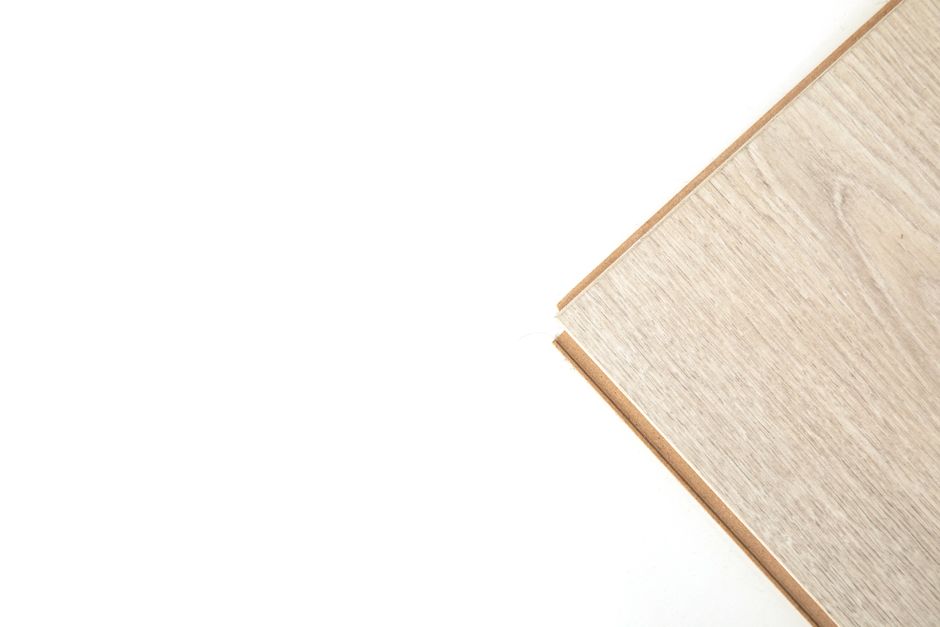
Laminate floors look tough, but they can be surprisingly fussy about what you put on them. One wrong cleaner, a bit too much water, or a rushed attempt to remove a stain can leave you with dull patches, swollen edges, streaks, or a finish that never quite looks right again. If you have ever wondered why a floor that looked spotless last month now has cloudy marks or sticky residue, chemical misuse is often the culprit. This guide breaks down the common chemical use mistakes that damage laminate floors, what actually happens to the surface, and how to clean safely without making life harder later.
Whether you are a homeowner, tenant, landlord, or a cleaner doing routine upkeep, the goal is the same: keep the floor looking fresh without stripping the protective wear layer. That sounds simple enough. In practice, people often use products that are too strong, too wet, or simply wrong for laminate. Let's fix that now.
Why Common chemical use mistakes that damage laminate floors Matters
Laminate is built in layers. That layered structure is the whole point: you get a decent-looking surface that is more affordable than many natural flooring options. But the top wear layer is not invincible, and the decorative layer underneath is even less forgiving once moisture or harsh chemicals get through. If the surface is compromised, you may notice fading, bubbling, or that slightly rough look that no amount of mopping seems to shift.
Why does this matter so much? Because damage from chemicals tends to build gradually. People often do not spot the mistake on day one. They see a tiny smear, try a stronger product, then a stronger one again. Before long, the floor has lost its sheen in patches. Bit of a classic case of making the fix the problem, really.
This matters in homes, rented properties, offices, and end-of-tenancy settings alike. A landlord expects a presentable finish. A tenant wants to avoid avoidable deductions. A homeowner wants the floor to last. And if you are arranging deep cleaning or a broader house cleaning visit, knowing what not to use on laminate helps protect the work you have already done.
How Common chemical use mistakes that damage laminate floors Works
Most laminate damage from cleaning products happens in one of three ways: the wrong chemical attacks the finish, moisture gets into the seams, or residue builds up and dulls the surface. Sometimes all three happen together. That is the annoying part.
The protective top layer is designed to resist everyday wear, not repeated exposure to aggressive solvents, bleach, or heavy-duty degreasers. Strong alkaline cleaners can break down surface coatings. Acidic products can mark or dull the finish. Solvent-heavy liquids may cloud the surface or leave it tacky. And if a cleaner is left sitting on the floor instead of being wiped away properly, it can work far longer than intended.
Water plays a bigger role than many people expect. Laminate flooring is not the place for flooding, soaking, or dripping mops. If chemical solution runs into edges, joints, or chipped areas, the core board underneath can swell. Once that happens, the damage is often permanent. You might hear a faint crunch underfoot or notice raised edges. Not ideal.
It also helps to think about residue. Some products promise shine, but they leave behind a film. That film attracts dust, makes the floor streaky, and tempts people to clean harder next time. A vicious little cycle. A better routine uses minimal product, controlled dampness, and proper drying so the laminate stays clean without becoming sticky or cloudy.
Key Benefits and Practical Advantages
Using the right chemistry on laminate is not just about avoiding disaster. It gives you a floor that looks better for longer and needs less effort to maintain. That is the practical win.
- Preserves the finish: the wear layer keeps its even sheen instead of patching out.
- Reduces swelling risk: less moisture means less chance of edge lift and seam damage.
- Prevents streaks and haze: the floor stays visually cleaner between proper cleans.
- Makes routine cleaning easier: dust and marks lift more predictably from a clean surface.
- Protects property value: in rented homes especially, good floor condition supports a better overall presentation.
There is also a morale benefit, if that does not sound too dramatic. A laminate floor that keeps its clean, even look makes the whole room feel calmer. You notice it when you walk in on a grey morning and the surface still reflects light properly. Small thing, but it matters.
If your home includes mixed surfaces, it can be sensible to pair laminate-safe methods with specialist care elsewhere, such as hard floor cleaning for other flooring types or window cleaning to improve overall brightness in the room. The point is consistency: clean each surface in the way it was designed to be cleaned.
Who This Is For and When It Makes Sense
This advice is for anyone who wants to clean laminate without damaging it. That includes busy families, tenants between moves, landlords preparing a property, office managers, and professional cleaners who need safe, repeatable methods. If you mop quickly once a week and everything looks fine, you still need this. Damage often comes from occasional bad habits, not daily disaster.
It especially makes sense when you are:
- dealing with stubborn marks from food, grease, or shoes;
- trying to remove dried spills without using brute force;
- preparing for an inspection or move-out clean;
- cleaning after decorating or renovation work;
- trying to get rid of a sticky film left by previous products.
For people coordinating a broader property clean, it can be useful to line up laminate-safe routines with services like end of tenancy cleaning or one-off cleaning, especially when the floor has seen heavy traffic. If the rest of the property needs attention too, options such as domestic cleaning or office cleaning can help keep the whole environment consistent and easier to maintain.
Step-by-Step Guidance
Here is the simple version: use the mildest effective cleaner, apply it sparingly, and dry the floor promptly. That is the backbone of safe laminate care.
- Remove loose dust first. Sweep or vacuum using a soft floor attachment so grit does not scratch the surface while you clean.
- Check the product label carefully. If it says safe for laminate, make sure it does not also mention heavy rinsing or soaking.
- Dilute properly. More concentrate does not mean more cleaning power. It often means more residue and more risk.
- Test in a quiet corner. A wardrobe corner or under a sofa edge is a sensible first spot. Honestly, this saves grief.
- Use a lightly damp microfibre mop or cloth. Damp, not wet. If water drips when you squeeze it, it is too wet.
- Work in small sections. This stops the product from sitting too long on the surface.
- Wipe away any excess immediately. Do not let pooling liquid drift into seams or around skirting edges.
- Dry the area. A clean dry cloth helps remove leftover moisture and prevents streaks.
If a mark remains, repeat gently rather than reaching straight for a harsher chemical. A little patience goes a long way. For greasy smears, a laminate-safe neutral cleaner is usually a better starting point than a multi-purpose spray that claims to do everything on earth.
Expert Tips for Better Results
In our experience, the best laminate cleaning results come from restraint. The floor often looks better after a careful light clean than after a product-heavy scrub. That sounds almost too simple, but there you are.
- Choose neutral pH cleaners where possible. These are less likely to attack the finish than very alkaline or acidic products.
- Use a fresh mop head. Old pads can hold grime and grit, which then gets rubbed across the floor.
- Do not mix chemicals. Mixing cleaners can create residue, fumes, or unpredictable reactions. It is rarely worth the risk.
- Keep a dry cloth nearby. Quick wipe-ups matter more than people think, especially around entryways and kitchen edges.
- Protect high-traffic zones. Door mats and felt pads under furniture reduce the need for aggressive cleaning later.
One small practical tip: if you are cleaning a room that gets low winter light, check the floor from different angles. Under bright daylight you may spot streaking that looked invisible at 8 a.m. under a ceiling bulb. Slightly annoying, yes, but useful.
If you are dealing with a property that has mixed soft furnishings as well, keeping upholstery and rugs in good condition can stop dirt being transferred onto laminate in the first place. That is where services such as sofa cleaning, upholstery cleaning, and rug cleaning can be part of a wider maintenance plan.
Common Mistakes to Avoid
This is the section that usually saves floors. Most damage is not caused by one dramatic event; it is caused by a handful of repeat mistakes.
- Using bleach or very strong disinfectants. They can dull the finish, strip the protective layer, or leave patchy discolouration.
- Applying ammonia-heavy cleaners. These can be too aggressive for laminate and may leave the surface looking tired.
- Spraying directly and too generously. Direct spray often leads to puddles around seams, especially if you move slowly.
- Using steam with chemicals. Heat and moisture together can encourage swelling, and the result is rarely pretty.
- Letting polish or shine products build up. Many laminate floors are not meant to be waxed or polished in the traditional sense.
- Scrubbing with abrasive pads. If the cleaner is wrong, the pad can turn a small issue into a visible dull spot.
- Ignoring the manufacturer guidance. Not glamorous, but still the safest route when available.
Another mistake? Cleaning a spill with one chemical, then switching to a second one because the first "didn't work fast enough." Sometimes the issue is not the cleaner at all; it is dried residue, or a stain that needs a gentler soak-and-lift approach. Push too hard and the floor pays for it.
Tools, Resources and Recommendations
You do not need a cupboard full of specialist products to look after laminate properly. In fact, fewer products is usually better. The useful kit is fairly modest.
| Tool or product | Why it helps | What to avoid |
|---|---|---|
| Microfibre mop | Lifts dust and light marks without over-wetting the floor | Sponge mops that hold too much water |
| Soft vacuum attachment | Removes grit before mopping, reducing scratch risk | Hard brushes or rough wheels on the floor |
| Neutral laminate-safe cleaner | Helps clean without harsh residue or surface attack | Bleach, ammonia, or untested "all-purpose" mixes |
| Two dry microfibre cloths | Useful for immediate wipe-down and final drying | Paper towels that shred or leave lint behind |
| Door mats and felt pads | Reduce dirt, grit, and furniture scuffing | Heavy furniture feet without protection |
If you manage a property cleaning plan, a good rule is to match the method to the surface, not the other way around. Services like a cleaning company can help where there are multiple flooring types, but even then, the internal method should still respect the laminate finish. And if you are prioritising a full reset before a move or inspection, after builders cleaning can be especially relevant because dust and residue after works can be surprisingly abrasive.
Law, Compliance, Standards, or Best Practice
There is no single household law that tells you exactly which cleaner to use on laminate, but there are sensible UK best-practice expectations around safe product use, clear instructions, and avoiding preventable damage. In commercial or managed settings, that becomes even more important because cleaners and supervisors should follow product labels, COSHH-style safety thinking where relevant, and site-specific risk awareness.
In plain English, that means: read the instructions, do not improvise risky mixtures, and use the gentlest effective approach. If you are using cleaning products in a rented home, communal area, or workplace, it is sensible to keep packaging or product details to hand in case questions arise. That is just tidy practice, really.
If you hire professionals, it is fair to expect basic insurance, safe working practices, and a clear complaints route if something goes wrong. For example, the pages on insurance and safety, health and safety policy, and terms and conditions are useful touchpoints when you want to understand how a cleaning provider handles risk and responsibility. If you want more detail about the company itself, about us can help with background and approach.
Good practice also includes sustainability. Overusing chemical cleaners is wasteful and often counterproductive. A measured routine aligns well with broader recycling and sustainability thinking: use less, clean better, and avoid throwing more product at a surface that needed less, not more.
Options, Methods, or Comparison Table
Not every method is equally safe for laminate. This comparison is a useful short-cut when deciding how to tackle a mark or a routine clean.
| Method | Effectiveness | Risk to laminate | Best use case |
|---|---|---|---|
| Dry dusting / vacuuming | High for loose dirt | Very low | Daily or frequent upkeep |
| Lightly damp microfibre mop | High for routine cleaning | Low if controlled | General maintenance |
| Neutral laminate cleaner | Good for marks and grime | Low to moderate if overused | Streaks, smears, and sticky residue |
| Bleach or ammonia-based cleaner | Sometimes quick on stains | High | Generally not recommended for laminate |
| Steam cleaning with chemicals | Can look effective at first | High | Avoid for most laminate floors |
The safe choice is often the boring choice. But boring is good here. Boring keeps the floor looking decent.
Case Study or Real-World Example
A common scenario goes like this: a tenant notices a greasy patch near the kitchen entrance and reaches for a strong degreaser. It seems sensible enough. The mark disappears, but the cleaner leaves a hazy film, and because the area was mopped quite wet, the edge of one plank begins to lift over the next few days. Nothing dramatic at first. Then light catches it. Then it becomes impossible to ignore.
What would have worked better? A quick dry clean first, then a lightly damp cloth with a neutral cleaner, followed by immediate drying. If the mark was stubborn, a second gentle pass after a short pause would usually be safer than a strong single treatment. In some homes, the real issue is not the mark but nearby dirt transfer from shoes, rugs, or furniture. That is why broader maintenance matters too. Clean the surfaces around the floor, and you reduce how much grime reaches it in the first place.
We have also seen rooms where the floor itself was fine, but the surrounding upholstery and rugs were holding odours or soil that kept being redistributed. A combined approach using cleaners for general upkeep and specific care for soft furnishings can make a real difference. Not glamorous, but effective. And that is what people actually need.
Practical Checklist
Use this before cleaning laminate with any liquid product.
- Have I swept or vacuumed away loose grit first?
- Does the product say it is safe for laminate?
- Am I using a neutral or mild cleaner rather than a harsh one?
- Have I avoided mixing products together?
- Is the mop or cloth only lightly damp?
- Have I tested the cleaner in a discreet corner?
- Am I working in small sections instead of flooding the floor?
- Have I wiped away excess solution straight away?
- Have I dried the area properly?
- Am I avoiding steam, wax, polish, or abrasive pads unless the manufacturer clearly allows them?
Quick reminder: if the floor is already swollen, lifting, or badly clouded, stop using chemicals and reassess. More product will not usually reverse physical damage. Sometimes the honest answer is repair, not more cleaning.
Get a free quote today and see how much you can save.
Conclusion
The biggest chemical use mistakes that damage laminate floors are usually the simplest ones: too much product, too much water, the wrong type of cleaner, or too much confidence in a label that promised miracles. Laminate does best with restraint, quick action, and a mild, controlled routine. If you remember only one thing, let it be this: clean gently, dry promptly, and never assume stronger means safer.
Once you get into that rhythm, laminate maintenance becomes far less stressful. The floor keeps its look, the room feels fresher, and you spend less time chasing streaks that should never have been there. That is a decent trade-off, honestly. And a nicer floor underfoot on a cold morning is one of those small comforts you only really notice when it disappears.
Take care of the surface, and it will usually return the favour.
Frequently Asked Questions
Can bleach damage laminate floors?
Yes, it can. Bleach is usually too harsh for laminate and may dull the finish, cause discolouration, or leave the surface looking patchy. A mild laminate-safe cleaner is a safer starting point.
Is vinegar safe for laminate floors?
Many people use vinegar because it sounds natural and harmless, but it can still be too acidic for some laminate finishes. If you are unsure, stick to a cleaner specifically described as suitable for laminate.
Why does my laminate look cloudy after mopping?
Cloudiness is often caused by residue from too much cleaner, the wrong product, or water sitting too long on the floor. It can also happen if the mop itself is dirty or overloaded.
Can I use a steam mop on laminate if I am careful?
It is generally risky. Heat and moisture can work their way into seams, especially if the floor already has minor damage. Many laminate manufacturers advise against it, so caution is sensible.
What is the safest way to remove sticky residue from laminate?
Start with a lightly damp microfibre cloth and a neutral cleaner. Let it soften the residue briefly, then wipe and dry the area. Avoid scrubbing hard or using a strong solvent straight away.
Does too much water really damage laminate that much?
Yes, it can. Water that gets into joints or chipped edges may cause swelling, lifting, or warping. Laminate is far more sensitive to standing moisture than many people expect.
How often should laminate floors be cleaned with chemicals?
Usually not as often as people think. Dry cleaning and light maintenance often do most of the work. Use liquid cleaners only when needed, and always as sparingly as possible.
Can I use an all-purpose cleaner on laminate?
Sometimes, but only if the label clearly states it is safe for laminate. Some all-purpose products leave residue or contain ingredients that are too strong. The label matters more than the marketing.
What should I do if the laminate has already swelled?
Stop using water-based cleaners in that area. Swelling is usually a sign that moisture has entered the board. In many cases, cleaning will not reverse it, so assessment or repair may be needed.
Do landlords care about chemical damage on laminate floors?
They often do, because it can affect the property's condition at check-out. Damage from inappropriate cleaners is usually viewed differently from normal wear, so it is worth being careful during tenancy cleans.
Is a microfibre mop really better than a regular mop?
For laminate, yes, usually. Microfibre mops hold less water, clean effectively, and are easier to keep only lightly damp. That makes them much safer than a soaking wet traditional mop.
When should I call in professional help for laminate cleaning?
If the floor has stubborn residue, widespread streaking, lifting edges, or damage after previous chemical misuse, professional help is sensible. It is also a good idea before an end-of-tenancy inspection or after builders have finished.