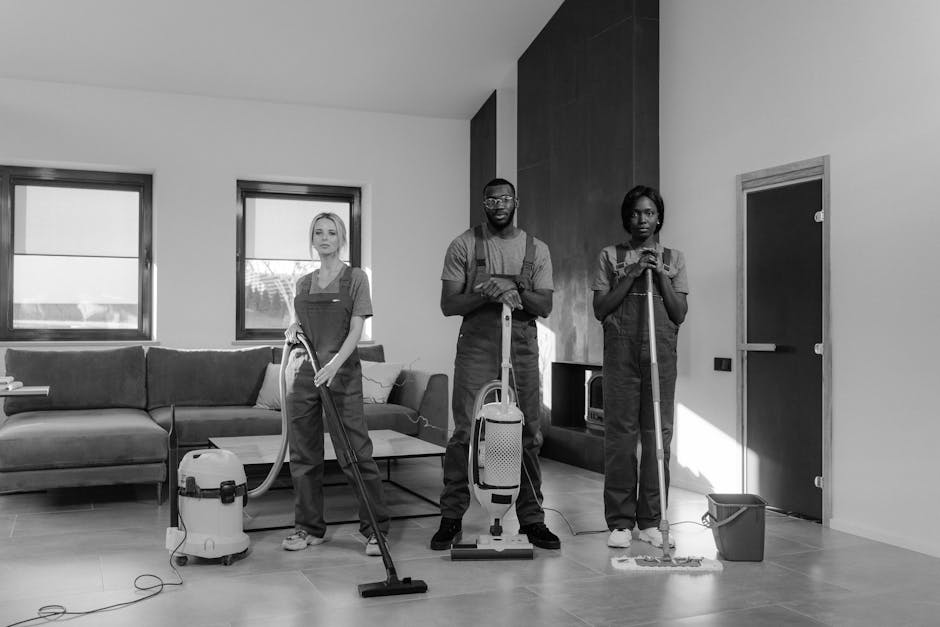
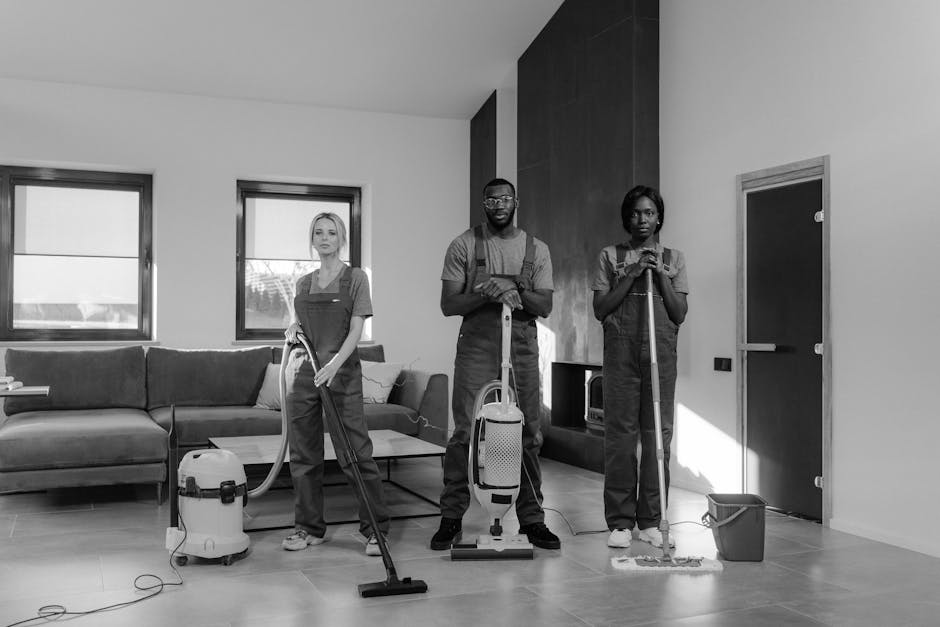
End of Tenancy House Cleaning in your area for move-out ready results

Our end of tenancy house cleaning focuses on the detailed work needed when a home is being handed back after a tenancy. We clean kitchens, bathrooms, living spaces and bedrooms with care, paying attention to the surfaces and fixtures that matter most when a property is being checked over. The aim is straightforward: a thorough, orderly clean that helps the home look properly looked after at the end of the tenancy period.
This service is suited to landlords, letting agents and tenants who want a full internal clean rather than a quick surface tidy. We work through the property methodically so each room receives the same level of attention, from visible dust and marks through to grease, limescale and the build-up that settles in harder-to-reach places. If you need end of tenancy house cleaning with a clear, practical scope, we can help you understand what is typically included and what may need extra attention.
For an initial discussion, use the main pages on this site to review the service and the way we approach quotations. Ask for a quotation when you are ready, and we can help you plan the clean around the rooms and finishes in the property.
Detailed cleaning for kitchens, bathrooms and living areas
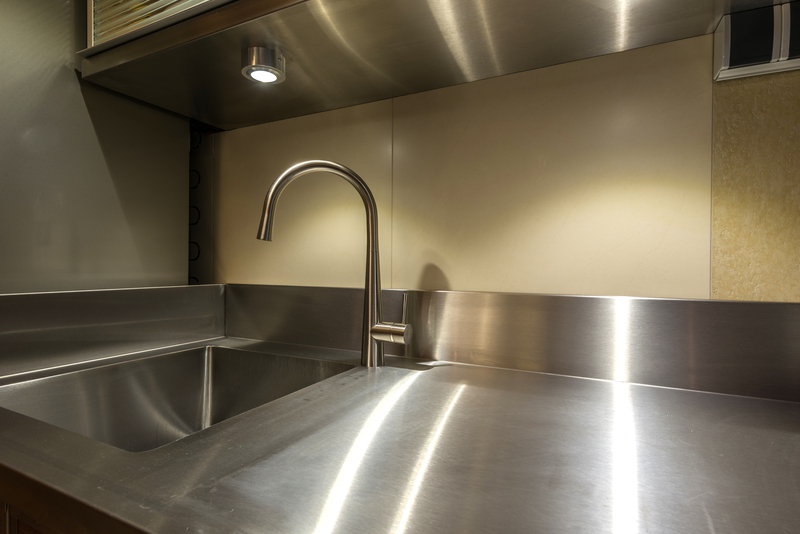
Kitchens usually need the most time because they collect grease, splashes and food residue on several different surfaces. In a tenancy clean, that can mean cleaning worktops, cupboard fronts, sinks, taps, splashbacks and the outside of appliances where they are included in the scope. Bathrooms often require a different approach, with attention to sanitaryware, tiles, mirrors, chrome fittings and grime that can form around seals and joints. Living areas and bedrooms are then brought into line so the property feels consistent from one room to the next.
We can also handle the smaller details that make a visible difference, such as skirting boards, door handles, light switches and the removal of cobwebs from accessible corners. These finishing touches matter because a tenancy clean is rarely judged only on the obvious areas. It is usually the combination of broader room cleaning and the careful detail work that gives the property a more complete appearance. That approach helps the clean feel deliberate rather than rushed.
When you compare cleaning options, it helps to think in terms of what is built into the property, what has been used regularly and what is likely to be inspected. Hard surfaces, glass, taps and enamel can usually be brought back with standard cleaning methods, while stubborn staining, heavy limescale or burned-on residue may need extra time and technique. If you are arranging the work for a check-out, it is sensible to group the rooms by priority so the most demanding areas are planned properly.
Kitchen appliances, fixtures and inside-facing surfaces

Appliances and kitchen fittings often shape the impression of an end of tenancy clean. Where agreed, we can focus on the exterior faces of ovens, hobs, extractor areas, fridge doors, cupboard exteriors and similar surfaces that are visible during an inspection. These parts of the home often collect a mix of grease, fingerprints and daily-use residue, so a more detailed clean can make the overall room look much better balanced.
If the property includes fitted appliances, the most useful approach is to decide in advance which items are part of the clean and which are not. That keeps expectations clear and avoids assumptions about hidden or specialist work. In many homes, the important difference is between a general end of tenancy clean and a deeper appliance clean that may need more time on stubborn deposits. We can discuss the likely scope before work begins so the quotation reflects the actual rooms and fittings involved.
Useful preparation can be simple: make sure access is available to the areas being cleaned, and note anything that is delicate, damaged or already showing wear. A quick list of priorities is often more useful than a long description, especially if certain rooms need more attention than others. If you are gathering details for a quotation, include the property type, number of rooms and any items that need particular care.
Bathrooms, fixtures and the finish that people notice
Bathrooms often need a focused clean because moisture, soap residue and mineral deposits can collect quickly around taps, showers, screens and tile edges. In an end of tenancy clean, we pay close attention to the visible and touchable areas that are likely to be inspected first. That includes basins, toilets, baths, shower areas, mirrors and fittings, along with the surrounding surfaces that can show marks more easily than other rooms.
What makes bathroom cleaning different is the need to balance appearance with care for the materials involved. Enamel, glass, chrome and ceramic all respond well to the right cleaning approach, but harsh treatment can create new marks or dull the finish. A sensible clean therefore aims to remove build-up without damaging the room’s surfaces. Where limescale or staining is heavier, the time needed may be greater, and that is something worth mentioning when you request pricing.
In properties with more than one bathroom or an en suite, it is useful to identify which rooms are full-use spaces and which ones need only lighter attention. That helps keep the quotation realistic and prevents unnecessary work from being built in. Tell us what matters most, and we can shape the clean around the rooms that are likely to be seen first during handover.
Floors, walls and the finishing tasks that complete the clean
End of tenancy cleaning is not only about the most obvious surfaces. Floors, lower wall areas and room edges can affect the impression of freshness just as much as the main fixtures. Vacuuming, mopping and careful attention to corners help the property feel more consistent, especially when dirt has gathered along skirting lines or under furniture. Where appropriate, we can include the visible parts of a room that often show use at the end of a tenancy.
Different floor finishes need different care. Hard floors, for example, usually benefit from methods that lift residue without leaving excess moisture, while carpets may need separate treatment if they are part of the agreed scope. The same applies to painted walls and washable surfaces, where spot cleaning may improve appearance but needs to be carried out with judgment. A property clean works best when each surface is treated according to its material rather than with one blanket method.
To make the handover smoother, it often helps to think through the order of work rather than only the final result. Rooms with the heaviest use may need more detail first, while lighter rooms can be brought into line more quickly. If you want to prepare properly, gather the basic property details, note any problem areas and decide whether carpets, upholstery or other additional items are part of the job. That gives the quotation a firmer base and reduces misunderstandings later.
Additional cleaning services that can support a tenancy handover

Some properties benefit from services beyond the standard room clean, especially where certain items have gathered dust, marks or odours over time. Depending on the property and the agreed scope, related cleaning may include carpet cleaning, oven cleaning, sofa cleaning or upholstery cleaning. These services are not automatic extras; they should be considered separately so the clean matches the condition of the home and the expectations of the person arranging it.
It can be helpful to review each extra task on its own merits. For example, carpets may need attention because of traffic marks or general wear, while soft furnishings may need a different approach to dust and surface dirt than hard furniture does. Oven cleaning can be especially relevant where grease has built up during normal use. By deciding what is truly needed, you can avoid paying for work that does not add value to the handover.
If you are comparing options, look for a quotation that explains what is included, what is optional and what would need to be assessed separately. That way, the job can be tailored rather than squeezed into a fixed template. Clarity on scope is often the easiest way to keep a move-out clean efficient and properly aligned with the property’s condition.
How we plan the work and keep the scope clear
Most tenancy cleans run more smoothly when the scope is organised before the visit. A clear plan helps ensure that the right rooms, surfaces and extras are included, especially if the property has been occupied for a long time or contains several materials that need different care. We use the information provided to understand which parts of the home need the most attention and which items should be treated as optional rather than assumed.
Two pieces of information are especially useful: the size and layout of the property, and any particular areas that need focused cleaning. A simple room list is often enough, but it also helps to mention details such as fitted appliances, shower screens, hard floors, delicate finishes or areas with heavy residue. If you can, let us know which items are staying in the property and which rooms are empty, because that affects how the work is organised and how long it may take.
For a practical next step, request a quotation with a short outline of the property and the cleaning tasks you want included. You do not need to over-explain; clear basics are usually better than a long description. The aim is to build a quotation that reflects the actual work, not a generic package that misses important details.
Price factors and quotation details for end of tenancy cleaning
Quotation requests are usually influenced by the size of the property, the number of rooms, the amount of cleaning needed and whether any extra services have been added to the main clean. A compact flat with light use will naturally be different from a larger house with multiple bathrooms, more fixtures and more surfaces to work through. It is also worth noting whether the property is furnished or unfurnished, because furniture can change access and affect the time needed for a full clean.
Condition matters as well. A room that only needs a standard refresh is different from one with strong grease build-up, limescale, staining or dust that has settled for longer than usual. That is not a problem in itself, but it does mean the clean may need more time and a more detailed plan. If you are collecting quotes, being honest about the condition of the home helps avoid surprises and gives a more reliable figure from the outset.
Our approach is to keep the process practical rather than overcomplicated. If you provide the key facts, we can shape the work around them and discuss what belongs in the tenancy clean and what should be treated separately. Ask for a quotation once you have the property details ready, and we can help you move the clean forward in a straightforward way.
About Hillingdon
Hillingdon is the westernmost of London’s boroughs and a place where older villages, suburban development and major transport routes sit alongside one another. The borough includes a wide range of landscapes and settlements, from long-established historic centres such as Uxbridge, Ruislip and Hayes to more residential districts and newer estates. Its geography is shaped partly by the Grand Union Canal, which threads through the area and links it to wider industrial and transport history, and by the presence of Heathrow Airport on its eastern side, one of the world’s busiest aviation hubs. Hillingdon’s built environment reflects that mix of past and present: parish churches, conservation areas, town centres, mid-twentieth-century housing and modern commercial spaces all appear within the same borough boundary. Ruislip Lido, with its reservoir and surrounding woodland, is one of the better-known open spaces, while Colne Valley Regional Park reaches into the borough’s western edge and gives it access to broader countryside landscapes. Historical layers are visible in places such as manor houses, village greens and preserved high streets, yet the borough also has a practical, everyday character shaped by commuting, education and trade. Local heritage sites, parks and waterways sit close to busy roads and rail links, making Hillingdon a place where different types of movement and settlement can be seen together rather than separately. That combination gives the area a varied identity, with pockets of older character beside the large-scale infrastructure and residential growth that define much of outer west London.
House cleaning standards for rented homes and private properties

Although this page focuses on end of tenancy work, the same attention to detail often matters in other house cleaning situations too. Homes vary in layout, finish and how they are used, so the cleaning plan needs to fit the property rather than follow a rigid formula. A one-off clean, for example, may be useful where a home needs a reset, while a more regular service can suit properties that need ongoing care. The important point is that each job should match the condition of the rooms and the surfaces within them.
We also recognise that different customers prioritise different things. Some want the whole property cleaned in a consistent pass; others care more about particular rooms such as kitchens and bathrooms. In every case, it helps to focus on the areas that are visible, frequently used and likely to influence how the home is judged. That is why careful planning, material-aware methods and a clear checklist of tasks tend to lead to better results than a loose, catch-all description of the work.
When you are ready to move ahead, use the site’s service pages to review the scope and then make an enquiry in the way that suits you. A concise brief is usually enough to start the quotation process, especially if you already know which rooms and extras should be included.
What to include when you request a quotation
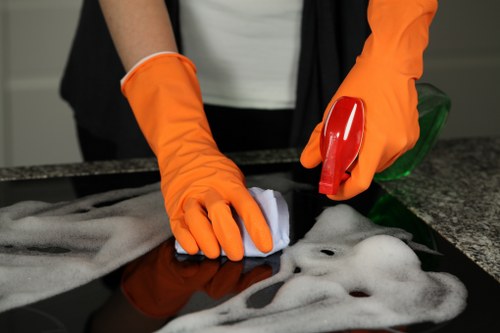
A good quotation begins with a simple, accurate summary of the property. The most useful details are the number of bedrooms and bathrooms, whether the home is a flat or house, and whether it is furnished. It also helps to say if the kitchen includes appliances that need cleaning, if carpets are part of the job and whether there are any particularly marked areas. This information gives the quotation a clearer foundation and makes it easier to match the clean to the work involved.
You can keep the message short, but try to make it specific. Mention any access points, parking limits if they matter to the job, and any surfaces that need gentle treatment. If the property has already been partly cleaned, that is worth saying too, because it changes the amount of work still to be done. A practical, well-scoped enquiry is usually the fastest way to get an accurate response.
Ready to begin? Use the contact page to send your details and request a quotation for end of tenancy house cleaning. If you would like to compare the broader service information first, the end of tenancy cleaning page explains the main offering, and the pricing and quotes page can help you think through the factors that shape the figure.
Helpful pages for planning your clean
If you want a fuller picture of how the service is arranged, a few site pages can help you check the practical details before you enquire. The deep cleaning page is useful where the property needs extra attention beyond ordinary upkeep, while one-off cleaning can be relevant if the job is not tied to a tenancy handover. For homes with mixed surfaces and more varied wear, the domestic cleaning page provides a broader view of residential cleaning support.
Some properties need specific additions, and those can be considered separately from the main move-out clean. The oven cleaning page is relevant where kitchen appliances need focused work, while carpet cleaning and upholstery cleaning may suit homes where soft furnishings need more than a standard surface clean. If windows are part of the scope, the window cleaning page may also be worth reviewing.
If you are still deciding what belongs in the job, start with the main tenancy clean and then add only the services that will genuinely improve the handover. That keeps the quotation practical and avoids building in unnecessary extras. When you are ready, send the room details and we can help you turn them into a clear request.