End of Tenancy Cleaning in London: A Practical, SEO-Friendly Approach for Tenants, Landlords, and Letting Agents
End of tenancy cleaning in London is one of the most important steps when moving out of a rental property. Whether you are a tenant hoping to secure your deposit, a landlord preparing for new occupants, or a letting agent aiming to keep the handover smooth, a professional end of tenancy cleaning service can make a major difference. In a fast-moving city like London, where rental standards are high and property inspections can be strict, a thorough cleaning process is not just helpful — it is often essential.
From apartments in Canary Wharf to family homes in Wimbledon, every property needs a detailed clean before the next tenancy begins. End of tenancy cleaning in London goes beyond simple tidying. It usually includes deep cleaning kitchens, bathrooms, floors, appliances, skirting boards, and other areas that often collect grease, dust, limescale, and grime over time. Many tenants underestimate the level of detail required, which is why a structured approach matters.
In this article, you will learn what end of tenancy cleaning includes, why it matters, how to prepare for it, and what to expect from a professional service in London. If you want to improve your chances of a successful inventory inspection and a smooth move-out, this content will help you understand the essentials clearly.
Why End of Tenancy Cleaning in London Matters

End of tenancy cleaning in London is important because it directly affects the final condition of the property. Most tenancy agreements require tenants to return the home in the same state of cleanliness as when they moved in, allowing for fair wear and tear. If the property is left in poor condition, deductions from the deposit can happen quickly. A proper clean reduces that risk and helps protect everyone involved.
London’s rental market is competitive, and landlords often expect a high standard at the end of a tenancy. Clean properties are easier to re-let, photograph better for listings, and create a stronger first impression during viewings. For tenants, this means a professional clean can save time, reduce stress, and help avoid disputes. For landlords, it can speed up turnaround between tenancies and improve property presentation.
Another reason end of tenancy cleaning in London is so valuable is that urban homes collect dirt faster than many people realise. Busy streets, pollution, frequent foot traffic, and compact living spaces all contribute to dust and residue building up in hidden places. A surface-level clean may not be enough when an inventory clerk checks ovens, extractor fans, bathroom tiles, or behind appliances.
What a Professional End of Tenancy Clean Usually Includes

A professional end of tenancy cleaning service in London usually covers a much deeper clean than regular domestic cleaning. The goal is to restore the property to a presentation-ready condition. While exact inclusions vary between providers, a standard service normally targets all major rooms and high-use areas.
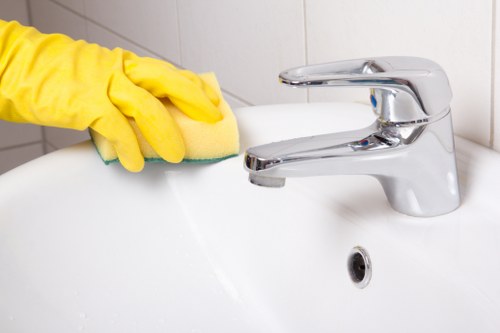
In the kitchen, cleaners often focus on oven cleaning, hob degreasing, cupboard wiping, sink descaling, splashback polishing, and cleaning inside and outside of appliances. Grease and food residue are common reasons kitchens fail inspection, so this area gets special attention. Bathrooms are another priority, with descaling of taps, shower screens, tiles, toilets, basins, and mirrors.
Living rooms, bedrooms, hallways, and storage areas are typically dusted and vacuumed thoroughly. Skirting boards, door frames, light switches, and reachable surfaces are cleaned to remove fingerprints and buildup. Some services also include internal windows, window ledges, and carefully detailed work on fixtures and fittings. Professional end of tenancy cleaning in London is about consistency, detail, and a checklist-based approach.
Common areas covered by an end of tenancy clean
- Kitchen appliances, including oven, hob, extractor fan, and fridge
- Bathroom limescale removal and sanitising
- Dusting and wiping of furniture and surfaces
- Vacuuming and mopping all floors
- Interior windows and sills
- Skirting boards, doors, and frames
- Removing cobwebs and light dirt from corners and edges
How End of Tenancy Cleaning Supports Deposit Protection

One of the main reasons tenants book end of tenancy cleaning in London is to improve the likelihood of a full deposit return. Deposit disputes often arise when landlords or agents believe the property was not cleaned to an acceptable level. Even if the property is tidy, it may still not meet the standards expected in the inventory report. A deep clean can help bridge that gap.
It is important to remember that a tenancy deposit is not only about damage. Cleaning issues are among the most frequent reasons deductions occur. Marks on walls, dust behind furniture, dirty appliances, and limescale in bathrooms may all be flagged during the final inspection. End of tenancy cleaning in London helps address these areas before they become a problem.
A professional cleaner understands the expectations of landlords and letting agents. They often work from a detailed checklist and know which areas are likely to be scrutinised. This experience can save you from the common mistake of focusing only on visible spaces. When a service covers the little details, such as cupboard shelves, radiator fronts, or switches, the chances of a dispute can be significantly reduced.
Key deposit-related benefits
- Reduces the chance of cleaning deductions
- Improves property presentation during the final inspection
- Helps align the property with check-in inventory condition
- Shows good tenancy conduct and responsibility
End of Tenancy Cleaning vs Regular Cleaning
Many people confuse regular cleaning with end of tenancy cleaning in London, but the two are very different. Regular cleaning is designed to maintain a home on a weekly or fortnightly basis. It typically focuses on visible dirt and routine tasks. End of tenancy cleaning, on the other hand, is far more detailed and aims to restore the property to a move-out standard.
The difference is especially noticeable in kitchens and bathrooms. A regular clean may include wiping surfaces and mopping floors, while a tenancy clean will involve deep degreasing, scrubbing hidden areas, descaling, and cleaning inside appliances. This level of work is often necessary because cleaning expectations at the end of a tenancy are much stricter than day-to-day standards.
In many London properties, especially flats and shared homes, wear can build up quickly due to daily use and limited space. That means the final clean has to go beyond simple maintenance. End of tenancy cleaning in London is specifically designed for handover situations, where detail is more important than speed.
Why the difference matters
- Regular cleaning maintains; end of tenancy cleaning restores.
- Rental inspections demand a higher standard than everyday living.
- Specialist tools and products are often needed for stubborn grime.
- Detailed cleaning takes longer and requires a structured plan.
What Makes End of Tenancy Cleaning in London Unique

London properties present unique cleaning challenges. Many homes are in older buildings, converted flats, or compact apartments where dust and grime collect in hard-to-reach areas. High-rise apartments may have busy communal entrances, while terraced homes can contain multiple floors, narrow staircases, and tricky corners. These factors make end of tenancy cleaning in London more demanding than a simple domestic clean.
Another factor is the variety of tenancy types. Some properties are fully furnished, while others are unfurnished. Some have modern surfaces that need careful treatment, while others feature older fittings that require gentle but effective cleaning methods. A professional cleaner must adapt to each setting and understand the material-specific needs of the property.
London’s rental expectations are also influenced by competition. Letting agents and landlords often compare the condition of a returned property against other available homes in the area. That means the cleanliness of the oven, bathroom seals, window frames, and flooring can influence how quickly a home is prepared for new tenants. End of tenancy cleaning in London supports faster turnover and better presentation.
Common London property features that need extra attention
- Small kitchens with heavy appliance use
- Bathroom limescale from hard water
- High-traffic hallways and entry areas
- Built-in storage and wardrobe interiors
- Dust-prone window ledges and radiator areas
How to Prepare for End of Tenancy Cleaning in London
Preparing properly can make end of tenancy cleaning in London more effective and less stressful. Before the cleaners arrive, it is best to remove personal belongings, packed boxes, and any items left in cupboards or drawers that are not included in the service. The more accessible the rooms are, the better the results will be.
If you are hiring a professional service, it is useful to read the tenancy agreement and check the inventory report beforehand. This helps you identify any special requirements, such as carpet cleaning, upholstery cleaning, balcony washing, or appliance cleaning. Clear communication avoids confusion and ensures the service matches the property’s needs.
It is also a good idea to defrost the fridge and freezer in advance if they are included. Removing food, emptying bins, and clearing worktops makes the process smoother. When tenants prepare carefully, the cleaning team can focus on the actual deep clean instead of wasting time moving items around. End of tenancy cleaning in London works best when the space is ready for detailed attention.
Simple preparation checklist
- Remove all personal possessions
- Empty cupboards, shelves, and drawers
- Defrost fridge and freezer if required
- Dispose of rubbish and leftover food
- Report any pre-existing damage separately
- Ensure access to water and electricity
Areas That Are Often Missed During Move-Out Cleaning
Even with good intentions, many tenants miss certain areas when cleaning at the end of a tenancy. These overlooked spots can be the difference between a pass and a cleaning deduction. End of tenancy cleaning in London is all about tackling the hidden details that people normally ignore during routine cleaning.
Commonly missed areas include behind and beneath appliances, inside extractor fans, around bath seals, on top of wardrobes, and along skirting boards. Dust can also collect on curtain rails, light fixtures, and door tops. In bathrooms, limescale often hides around shower heads, taps, and drains. These small areas can make a property look less cared for even when the main rooms appear clean.
Professional cleaners usually work from top to bottom, ensuring that dust falls to cleaned surfaces rather than being spread around. They also pay attention to high-touch points such as switches, handles, and banisters. That level of detail is one reason end of tenancy cleaning in London is so effective for final inspections.
Frequently missed spots
- Behind fridges, ovens, and washing machines
- Inside cupboards and drawers
- Light fittings and ceiling corners
- Window tracks and sills
- Bathroom grout, taps, and seals
- Radiators and vents
Choosing a Reliable End of Tenancy Cleaning Service in London
With so many providers available, choosing the right end of tenancy cleaning service in London can feel overwhelming. A good service should be clear about what is included, how long the clean will take, and whether the team follows an inventory-style checklist. The best providers are transparent and structured, helping you understand exactly what you are paying for.
Experience matters because end of tenancy cleaning is more technical than general cleaning. Look for a service that understands move-out expectations, uses appropriate cleaning materials, and has a process for handling bathrooms, kitchens, floors, and appliances. A professional team should also be organised enough to clean efficiently without skipping detail.
It is also worth checking whether the service can adapt to your property type. A studio flat in East London may require a very different approach from a large townhouse in North London. A flexible team will know how to manage both. End of tenancy cleaning in London works best when the service is tailored, not generic.
What to look for in a cleaning provider
- A clear end of tenancy checklist
- Experience with London rental properties
- Detailed kitchen and bathroom cleaning procedures
- Flexible booking options
- Professional equipment and cleaning products
- Good communication and reliable scheduling
How Long Does End of Tenancy Cleaning Take?
The time needed for end of tenancy cleaning in London depends on the size of the property, its condition, and whether any extras are included. A small one-bedroom flat may take a few hours, while a larger house with multiple bathrooms and appliances may require a longer appointment. Heavily used properties often need more attention than homes that have been regularly maintained.
Cleaning time also depends on how prepared the property is. If tenants have already removed belongings and cleared surfaces, the team can work more efficiently. If the space still contains items, rubbish, or food residue, the process may take longer. In some cases, carpet cleaning or upholstery treatment may extend the overall booking.
Rather than rushing, a good service should aim for thoroughness. End of tenancy cleaning in London is not about speed alone; it is about reaching an inspection-ready result. That means allowing enough time for ovens, bathrooms, and floors to be treated properly.
Factors affecting cleaning duration
- Property size and number of rooms
- Level of dirt and wear
- Number of appliances and fixtures
- Whether additional services are required
- Accessibility and parking conditions
End of Tenancy Cleaning Tips for Tenants
Tenants can make the moving process easier by planning the final clean well in advance. Even if a professional service is booked, simple preparation can improve the final outcome. The earlier you start, the less stressful move-out day becomes. End of tenancy cleaning in London is easier when it is part of a larger moving plan rather than an afterthought.
One useful tip is to clean room by room rather than trying to do everything at once. Another is to prioritise areas that are most likely to be inspected first, such as kitchens and bathrooms. If you notice any issues, such as scuff marks or stubborn stains, address them before the final walkthrough. It is also wise to keep a copy of the inventory report so you can compare the property’s condition.
If you are unsure what level of cleaning is expected, ask for clarification before your move-out date. This is especially useful in London, where rental agreements may vary from one landlord to another. A little planning can prevent unnecessary deductions and make the process feel more manageable. Book your service now if you want the final stage to be less stressful and more organised.
Practical tenant tips
- Book early to secure your preferred slot
- Take photos before and after cleaning
- Keep cleaning receipts if needed
- Check the tenancy agreement for specific requirements
- Leave utilities connected until the clean is complete
End of Tenancy Cleaning for Landlords and Letting Agents
Landlords and letting agents also benefit from professional end of tenancy cleaning in London. A clean property is easier to market, less likely to receive complaints, and more likely to attract new tenants quickly. When a home is well presented after a tenancy ends, it creates a smoother transition and reduces the time the property sits empty.
For landlords, cleaning is part of protecting the investment. A property that is cleaned properly between tenancies often looks better in photos, feels more welcoming during viewings, and gives the impression of being well maintained. Letting agents, meanwhile, can reduce workload by working with cleaners who understand the turnover process and can deliver consistent results.
Professional end of tenancy cleaning in London also helps avoid delays caused by repair misunderstandings. Sometimes a property may appear damaged simply because dirt has built up in key areas. A deep clean can clarify the real condition of the property, making check-out assessments more accurate. Contact us today if you want a move-out clean that supports faster re-letting and stronger presentation.
Final Thoughts on End of Tenancy Cleaning in London
End of tenancy cleaning in London is more than a final tidy-up. It is a practical way to protect deposits, meet rental expectations, and leave a property in a strong condition for the next occupants. In a city where rental standards are high and competition is intense, a deep and detailed clean is often one of the smartest steps you can take before moving out.
Whether you are a tenant, landlord, or property manager, the value of a structured and professional clean is hard to ignore. It improves presentation, reduces disputes, and makes the handover process smoother. From ovens and bathrooms to skirting boards and hidden corners, every detail matters when a property is being inspected.
If you are planning a move and want a reliable result, now is the right time to act. End of tenancy cleaning in London can save time, reduce stress, and help you move forward with confidence. Book your service now and make the final stage of your tenancy as straightforward as possible.