Health and Safety Policy for End of Tenancy House Cleaning
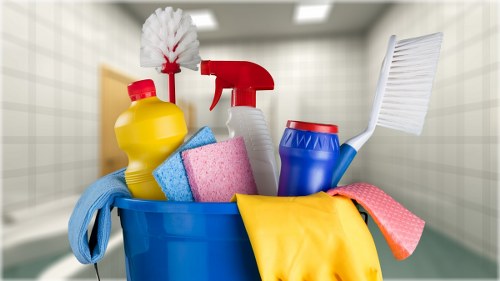 Our end of tenancy house cleaning policy is designed to protect cleaners, occupants, landlords, and property during every stage of the cleaning process. We are committed to carrying out safe, efficient, and responsible cleaning operations while reducing risks linked to chemicals, equipment, slips, falls, and contamination. This policy applies to all staff involved in end of tenancy cleaning, including deep cleaning of kitchens, bathrooms, living areas, and high-touch surfaces.
We recognise that end of tenancy cleaning services can involve demanding tasks such as lifting, kneeling, working at height, and handling strong products. For that reason, every cleaner is expected to follow safe working methods, use appropriate protective equipment, and report hazards without delay. Health and safety is not treated as a separate step; it is part of every cleaning activity.
 Before any end of tenancy cleaning job begins, a basic risk assessment is carried out to identify hazards in the property. This may include checking for broken fixtures, exposed wires, unsafe flooring, mould, sharps, or signs of pests. If a task appears unsafe, it must be paused until the risk is reduced or the job can be completed with the correct controls in place.
Safe Working Practices
All staff must use suitable personal protective equipment where needed, including gloves, masks, eye protection, and slip-resistant footwear. Protective equipment helps reduce exposure to cleaning agents, dust, bodily fluids, and other contaminants commonly encountered during house end of tenancy cleaning. Clothing should allow free movement while also offering protection from splashes and sharp edges.
Cleaning products must be used exactly as instructed by the manufacturer. Products should never be mixed unless this is specifically permitted, as dangerous fumes or reactions may occur. Staff carrying out end of tenancy house cleaning must check labels, use correct dilution rates, and store chemicals securely when not in use. Any decanted product must be clearly marked.
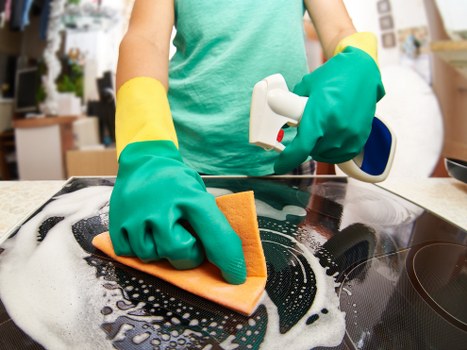 Equipment used for end of tenancy cleaning, such as vacuums, steam cleaners, mops, scrapers, and extension tools, must be inspected before use. Damaged cords, loose fittings, or faulty parts should be reported and removed from service immediately. Electrical equipment must be kept away from wet surfaces and used in a way that avoids overloading sockets or creating trip hazards.
Manual Handling, Hygiene, and Environmental Care
Manual handling is a common source of injury in end of tenancy cleaning services. Staff should use correct lifting techniques, avoid twisting while carrying loads, and seek assistance for heavy or awkward items. Where possible, cleaning tasks should be planned to reduce repetitive strain, with regular breaks arranged for physically demanding work.
Good hygiene is essential throughout the cleaning process. Hands must be washed after handling waste, soiled materials, or cleaning chemicals, and before eating or drinking. When dealing with areas that may contain visible dirt, mould, or body fluids, extra precautions should be used to avoid cross-contamination. Cloths, pads, and mop heads should be changed regularly to support safe and effective end of tenancy house cleaning.
Waste must be collected, separated where needed, and removed in a way that keeps the property safe and tidy. Broken glass, needles, contaminated materials, and sharp objects require special care and must not be handled casually. When working on an end of tenancy cleaning project, cleaners should also respect environmental responsibilities by using water and chemicals carefully, limiting waste, and choosing efficient cleaning methods.
Emergency Procedures and Reporting
All staff are expected to know how to respond to incidents, including slips, chemical splashes, cuts, burns, and accidental exposure to fumes. If an injury or near miss occurs during house end of tenancy cleaning, the work should stop if necessary and the situation should be made safe before continuing. First aid arrangements should be available and incident reporting should happen promptly so that lessons can be learned and repeated risks prevented.
Spills must be dealt with quickly using the correct materials and methods. Ventilation should be improved when using products that release strong odours or vapours, especially in enclosed rooms. If there is any sign of asbestos, severe damp, electrical danger, or structural instability, the area must be left alone and reported through the proper channel. This helps maintain a safe environment for everyone involved in end of tenancy cleaning services.
 Managers and supervisors must ensure that staff are trained, competent, and supported to work safely. Training should cover chemical awareness, infection control, safe lifting, equipment use, and emergency procedures. Supervisors should also monitor work practices to make sure the standards of end of tenancy house cleaning are met without compromising health and safety.
Responsibilities and Continuous Improvement
Every employee has a responsibility to act safely, follow instructions, and speak up about hazards. A strong safety culture depends on cooperation, attention to detail, and the willingness to stop work when conditions are unsafe. End of tenancy cleaning should never be rushed at the expense of wellbeing, quality, or property protection.
Property-specific instructions, access limitations, and special concerns should be reviewed before work begins. Cleaners should avoid disturbing personal items unnecessarily and should handle left-behind contents with care and respect. This approach supports both professionalism and the safe delivery of end of tenancy cleaning services.
 This health and safety policy for end of tenancy house cleaning will be reviewed regularly to reflect changes in equipment, working methods, and best practice. Updates will be shared with staff, and improvements will be made where necessary to strengthen safety, reliability, and consistency. By following this policy, we aim to deliver a thorough service while protecting people, property, and the working environment.